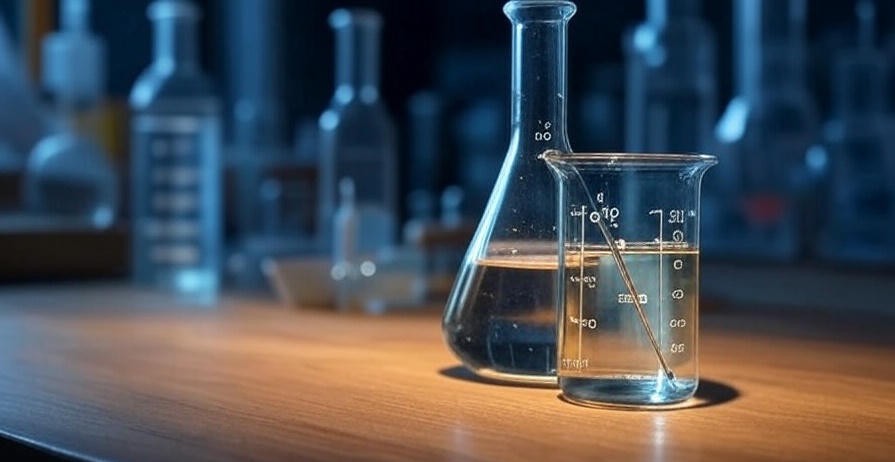
Lignin content
To determine ash-free lignin content, 1 g of sample is treated with 20 ml of 72% sulfuric acid in a 100 ml beaker, stirred, and left overnight at room temperature. The mixture is then diluted to 3% sulfuric acid in a 1-liter flask and boiled under reflux for 4 hours. The lignin is filtered, washed with hot distilled water until neutral, dried, and weighed. The sample is ignited at 850°C for 45 minutes, and the ash weight is subtracted to calculate the ash-free lignin percentage.
Latest Articles
Fresh laboratory, medical and analytical testing updates.
Understanding XRF Testing for Material Identification
In industries where material composition matters, accurate and reliable testing is essential. X-Ray Fluorescence (XRF) Analysis is one of the most effective techniques used to identify and quantify the elemental composition of materials.

What is XRD Analysis and Why Is It Important?
X-Ray Diffraction (XRD) Analysis is one of the most widely used analytical techniques for identifying and characterizing crystalline materials.
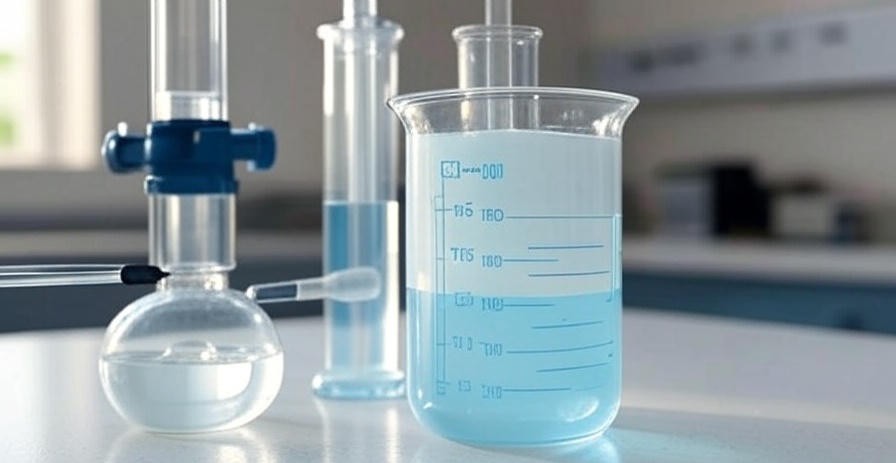
Hemicellulose content
Alpha cellulose, the portion of cellulose insoluble in 17.5% sodium hydroxide, is determined by treating 3 g of pulp or holocellulose in a 250 ml porcelain beaker with 25 ml of 17.5% NaOH, swelling for 4 minutes, and pressing with a glass rod for 3 minutes. Another 25 ml of NaOH is added, mixed for 1 minute to form a paste, and left covered at 20°C for 35 minutes. Then, 100 ml of distilled water is added, and the mixture is filtered under suction with a sintered glass funnel, with the filtrate reapplied twice and washed with water until neutral. Subsequently, 100 ml of 10% acetic acid is added dropwise, followed by more water. Cellulose content is calculated as 100% minus the sum of hemicellulose, lignin, and ash. Holocellulose, the total carbohydrate fraction (cellulose and hemicellulose), is estimated per Wise et al. (1946).
Lignin content
To determine ash-free lignin content, 1 g of sample is treated with 20 ml of 72% sulfuric acid in a 100 ml beaker, stirred, and left overnight at room temperature. The mixture is then diluted to 3% sulfuric acid in a 1-liter flask and boiled under reflux for 4 hours. The lignin is filtered, washed with hot distilled water until neutral, dried, and weighed. The sample is ignited at 850°C for 45 minutes, and the ash weight is subtracted to calculate the ash-free lignin percentage.
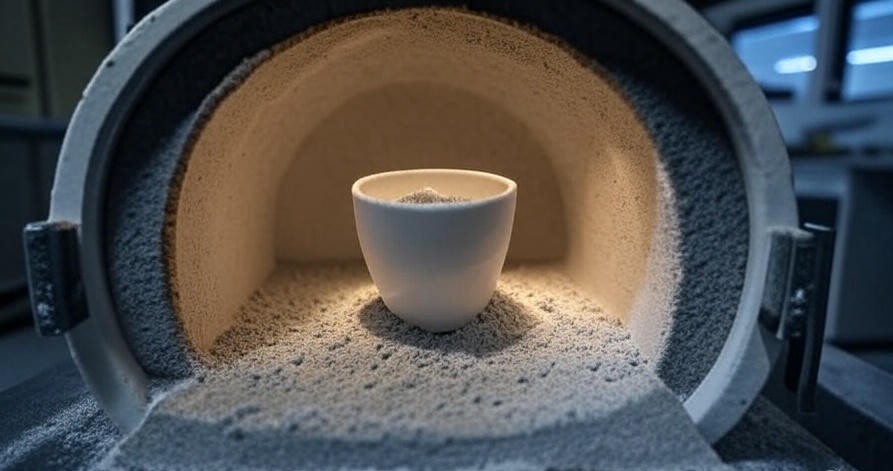
Ash content
Ash was determined by burning the material in a muffle furnace in a porcelain crucible first at 400°C for 30 minutes, then at 850°C for 1 h 45 minutes and then gravimetrically estimated.
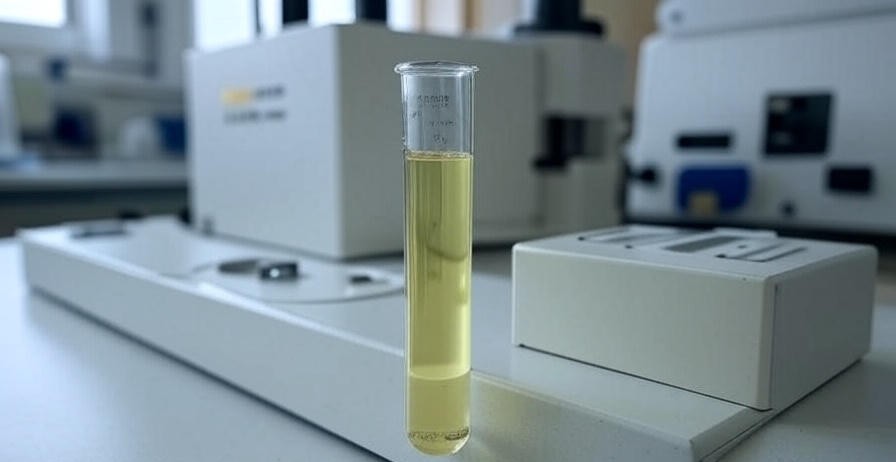
Nuclear Magnetic Resonance (NMR)
A few grams of sample were dissolved in 0.5 ml of deuterated solvent, transferred to an NMR tube, and analyzed using an Nanalysis 60MHz NMR (model Nanalysis-X685) with a machine frequency of 60 MHz.
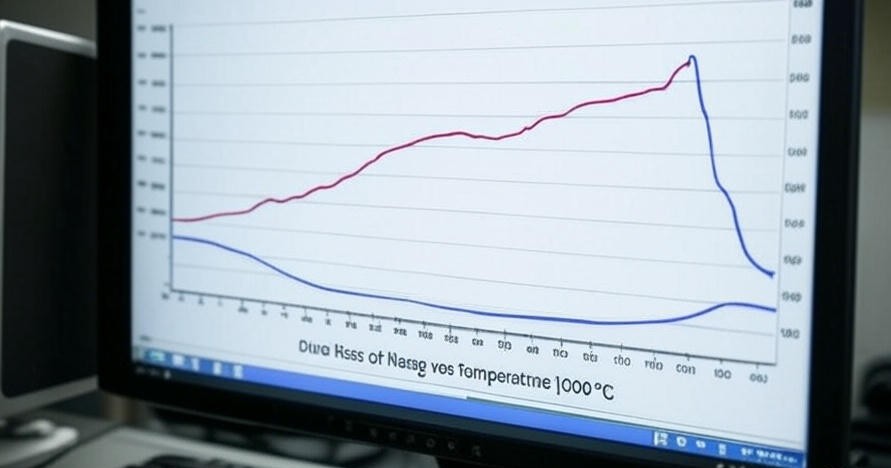
Thermogravimetric Analysis
Thermogravimetric analysis (TGA) was conducted on biomass residues using a TGA-Q500 analyzer at standard pressure. Samples were dried at 103°C, pulverized to 50 microns, and ~10 mg was placed in platinum crucibles. The samples were heated from room temperature to 950°C at heating rates of 5, 10, 15, 20, 25, or 30°C/min under a nitrogen flow of 30 mL/min to maintain an inert atmosphere. The TGA curve plotted the sample’s weight percentage (y-axis) against temperature or time (x-axis). A derivative thermogravimetric analysis (DTA) curve, showing the rate of mass change with temperature, was included on a second y-axis for clearer visualization of significant mass loss events.
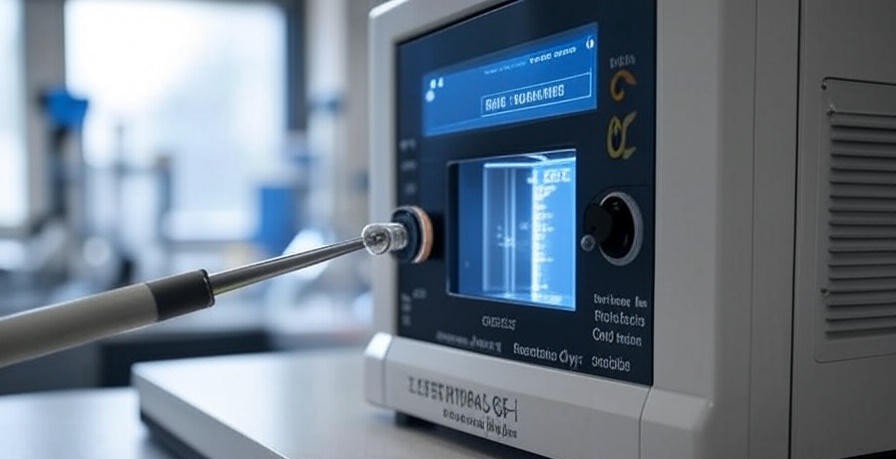
CHNS/O Analyzer
The ELEMENTRAC CS-i elemental analyzer measures carbon and sulfur concentrations in solid samples by melting them in a pure oxygen atmosphere within an induction furnace. Sulfur oxidizes to SO₂ and carbon to CO and CO₂. A lance directs oxygen precisely into the crucible to ensure complete combustion and prevent sample loss, especially for dusty materials. Typical sample sizes range from 50 to 1000 mg, and accelerators like tungsten are added. Sample shape does not affect results. The process is automated via ELEMENTS software, and results are available within 45–60 seconds. The ELEMENTRAC CS-i elemental analyzer measures carbon and sulfur concentrations in solid samples by melting them in a pure oxygen atmosphere within an induction furnace. Sulfur oxidizes to SO₂ and carbon to CO and CO₂. A lance directs oxygen precisely into the crucible to ensure complete combustion and prevent sample loss, especially for dusty materials. Typical sample sizes range from 50 to 1000 mg, and accelerators like tungsten are added. Sample shape does not affect results. The process is automated via ELEMENTS software, and results are available within 45–60 seconds.
Dynamic light scattering (DLS)
Instrument & Method: A Malvern Zetasizer Nano ZS (Malvern Instruments Ltd., UK) was used to determine particle size distribution. The analysis was performed using Dynamic Light Scattering (DLS), also known as Photon Correlation Spectroscopy (PCS). DLS measures Brownian motion by analyzing fluctuations in light intensity scattered by particles, correlating this to particle size. The technique is sensitive to particle aggregates, making it useful for assessing nanoparticle stability. Procedure: 0.5 g of the sample was placed in the sample holder and positioned in the analysis chamber. The chamber was cooled to 15°C. On the connected desktop computer, the Dispersion Technology Software v4.00 was launched via the shortcut. Sample information was entered. The nitrogen flow rate was set to 20 (unit assumed to be psi or mL/min). The analysis was started by clicking the Start button in the software.
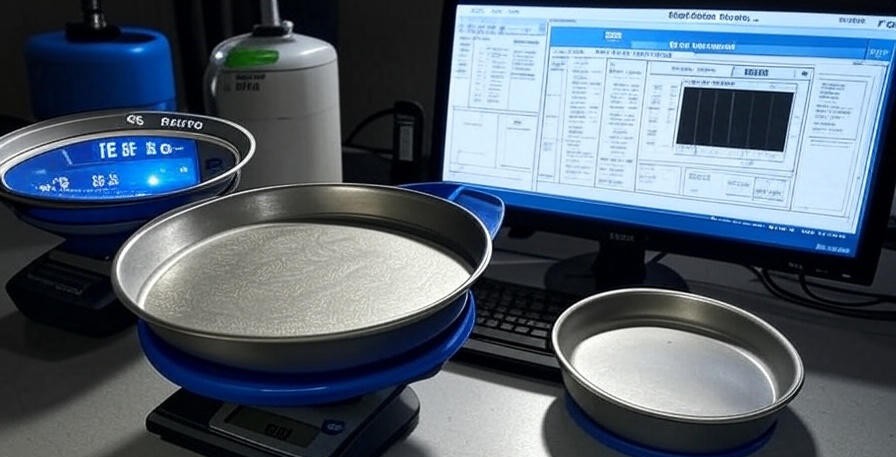
Digital Signature Certificate (DSC)
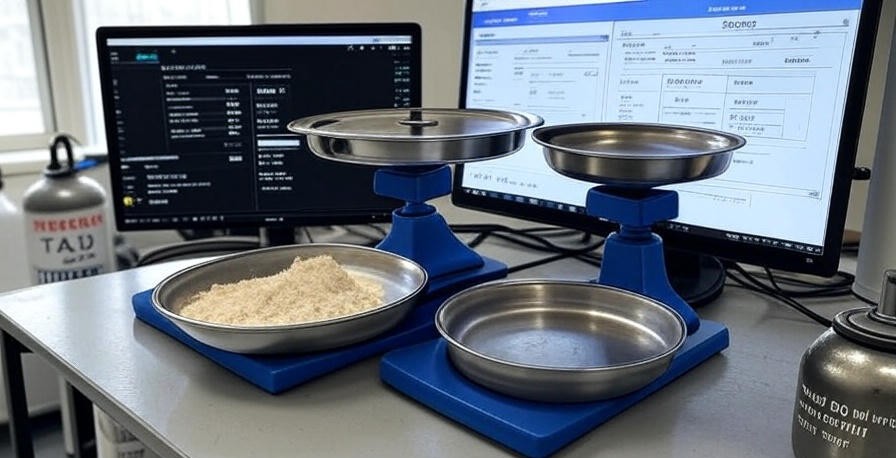
Sample Preparation: The sample was dried in solid state to protect the equipment. Approximately 2 mg of the sample was weighed directly into a Tzero hermetic aluminum pan to avoid material loss. A lid (indention facing down) was placed on the pan and seated flush in a blue holder. The pan was sealed using a press. A reference pan (empty and sealed) was prepared in the same manner. DSC Procedure: Both sample and reference pans were placed in their respective tray slots, with slot numbers noted. Cooler power was turned on in event mode. TA Universal Analysis software was launched: Under the Control tab, the cooler was started and set to standby temperature. Nitrogen gas was turned on and regulated at 20 psi with a sample purge flow of 50 mL/min. In the program panel, sample information was entered: name, weight, slot numbers, and data storage location. Under the Procedure tab, experimental parameters (temperatures, ramp rates, etc.) were defined and saved. In the Experiment panel, runs were arranged and started in the desired order. After completion, the cooling system shut down automatically; the nitrogen tank was turned off manually.

X-ray diffraction (XRD)
XRD Analysis Procedure Summary (Rigaku MiniFlex 600) Instrument Setup: Powered on XRD and set 30 kV, 15 mA, temperature 21–23°C. Launched TUMI software and verified settings. Sample Preparation: Finely ground and homogenized powdered sample. Pressed into a flat holder using a preparation block. Mounting and Scanning: Sample placed in chamber using Theta-Theta reflection-transmission spinner stage. Scan range: 4°–75° 2θ, step size 0.026261, 8.67 s/step. Tube current: 40 mA, voltage: 45 kV. Used 5 mm Width Mask, Programmable Divergent Slit, Gonio Scan. Data Acquisition: Diffracted X-ray intensity recorded as a function of 2θ. Peaks analyzed (Kα1 and Kα2), usually combined as one. Peak position determined at 80% peak height. Data Output: Results reported as 2θ vs. intensity (I). Relative intensity = (I / I₁) × 100. Data matched with libraries like NIST and PubChem to identify material and its properties.
Brunauer–Emmett–Teller (BET)
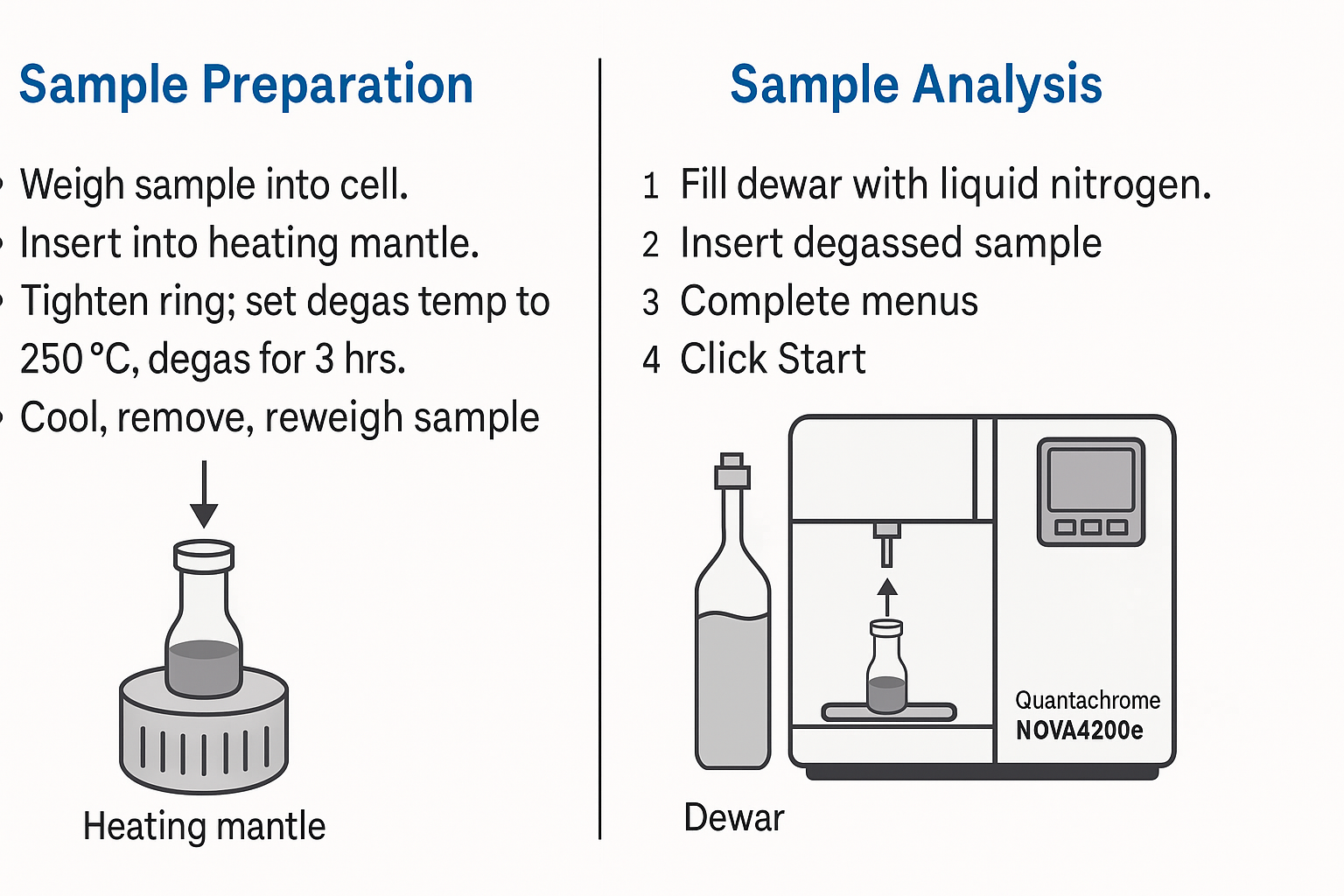
QUANTACHROME NOVA4200e Sample Prep & Analysis – Summary Sample Prep: Weigh sample into cell. Insert cell into heating mantle and secure. Connect to prep station, tighten ring. Set degas temp to 250°C, degas for 3 hrs. Cool, remove, and reweigh sample. Sample Analysis: Fill dewar with liquid nitrogen. Insert degassed sample into analysis port. Complete Sample, Points, and Equilibrium menus. Use defaults for BET if needed. Click Start to begin analysis. QUANTACHROME NOVA4200e Sample Prep & Analysis – Summary Sample Prep: Weigh sample into cell. Insert cell into heating mantle and secure. Connect to prep station, tighten ring. Set degas temp to 250°C, degas for 3 hrs. Cool, remove, and reweigh sample. Sample Analysis: Fill dewar with liquid nitrogen. Insert degassed sample into analysis port. Complete Sample, Points, and Equilibrium menus. Use defaults for BET if needed. Click Start to begin analysis.
Related Laboratory Tests