Role of Medical Labs in Africa’s Healthcare Delivery
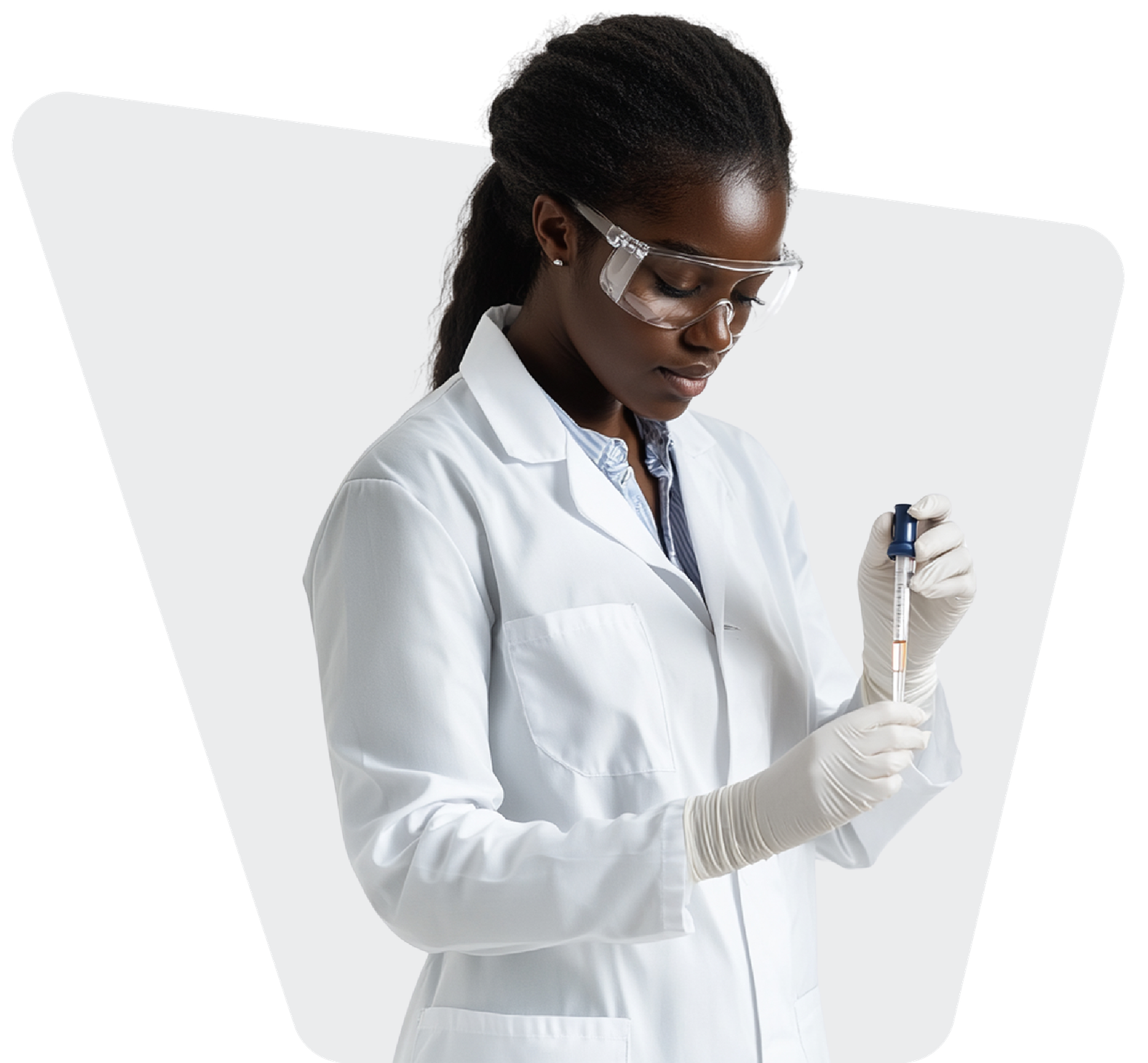
Healthcare in Africa has been evolving rapidly, and one of the key drivers of this transformation is the role of medical laboratories. These labs are not just support systems for hospitals—they are the backbone of diagnosis, treatment planning, and public health monitoring. Without accurate and timely lab tests, doctors would often be making decisions based on assumptions rather than evidence.

The Foundation of Modern Healthcare
Medical labs serve as the foundation of evidence-based healthcare in Africa. From simple blood tests to advanced molecular diagnostics, they provide doctors with the information needed to correctly identify diseases. For example, conditions like malaria, HIV, diabetes, and tuberculosis can only be confirmed with laboratory tests. This ensures that patients receive the right treatment at the right time.
Tackling Africa’s Health Challenges
Africa faces unique healthcare challenges such as infectious diseases, maternal health issues, and a growing burden of non-communicable diseases. Medical labs play a critical role in:
- Early detection of diseases before they become life-threatening.
- Monitoring treatment effectiveness, especially for chronic conditions like hypertension and diabetes.
- Supporting epidemic response by identifying outbreaks such as Ebola or COVID-19.
Public Health and Research
Beyond patient care, medical labs also contribute to public health surveillance and research. By analyzing large sets of lab data, governments and health organizations can track disease trends, design prevention programs, and allocate resources effectively. This is especially important in rural and underserved communities, where data gaps often hinder healthcare delivery.
Improving Access and Technology
In recent years, African countries have been investing in modern laboratory infrastructure and point-of-care testing. These innovations are bringing lab services closer to communities, reducing delays in results. For instance, portable diagnostic devices now allow rapid HIV or malaria testing in villages without fully equipped hospitals.
Challenges Facing Medical Labs in Africa
Despite their importance, medical labs face hurdles such as:
- Inadequate funding for equipment and reagents.
- Shortage of trained laboratory scientists.
- Poor maintenance and power supply issues in rural areas.
These challenges highlight the need for public-private partnerships, improved training programs, and government policies that prioritize diagnostic services.
The Way Forward
For Africa to achieve stronger healthcare systems, medical labs must be placed at the center of healthcare delivery. By improving lab infrastructure, investing in training, and integrating labs into national health strategies, African nations can reduce misdiagnosis, save lives, and improve overall healthcare outcomes.
To Run Analysis, visit https://analysis.africa NOW!