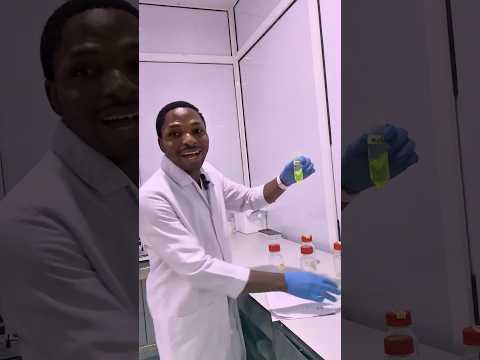
How Labs Monitor Industrial Effluents in African Cities

Africa’s major cities — from Lagos to Nairobi and Johannesburg — are hubs of rapid industrial growth. But with progress comes a challenge: how to manage industrial wastewater, or what experts call effluent. Factories that make textiles, food, chemicals, or metal products all generate liquid waste that, if untreated, can harm rivers, soil, and communities.

That’s where laboratories play a vital role. They monitor and analyze these effluents to ensure industries follow environmental standards and keep pollutants under control.

What Are Industrial Effluents?

Industrial effluents are the liquid by-products that flow out of factories after production. They often contain oils, heavy metals, dyes, acids, detergents, or organic waste. If released directly into the environment, these substances can:

  • Pollute rivers and groundwater
  • Harm aquatic life and agriculture
  • Pose health risks to nearby communities

Most African countries now require companies to treat their effluents before discharge — and to test them regularly through accredited labs.

Who Sets the Rules?

Every country has environmental agencies that define the safe limits for pollutants:

  • Nigeria: The National Environmental Standards and Regulations Enforcement Agency (NESREA) sets strict discharge limits. Industries must test and report their effluent quality regularly.
  • Kenya: The National Environment Management Authority (NEMA) enforces water-quality standards and requires factories to submit quarterly monitoring reports.
  • South Africa: The Department of Water and Sanitation runs the Green Drop Programme, which grades wastewater facilities and publishes public performance scores.

These policies make lab testing the backbone of compliance and accountability.

How Labs Monitor Industrial Wastewater

1. Sampling the Effluent

Environmental scientists collect samples from specific points — often the final discharge outlet and nearby surface waters. Sampling can be:

  • Grab sampling: a single sample collected at one moment.
  • Composite sampling: multiple samples combined over time for an average result.

Samples are preserved under cool conditions and labeled carefully so that the “chain of custody” — proof of where and when they were collected — remains intact.

2. Testing for Key Pollutants

Once the samples arrive at the lab, analysts use internationally accepted methods (such as APHA Standard Methods) to test for:

  • Physical parameters: pH, temperature, color, turbidity
  • Organic load: Biochemical Oxygen Demand (BOD) and Chemical Oxygen Demand (COD)
  • Nutrients: Nitrate, phosphate, and ammonia
  • Heavy metals: Lead (Pb), Chromium (Cr), Cadmium (Cd), and Mercury (Hg)
  • Oils and grease
  • Toxic chemicals: Solvents and hydrocarbons using GC-MS (Gas Chromatography-Mass Spectrometry)

These parameters reveal how harmful the effluent is and whether treatment systems are working properly.

3. Ensuring Accuracy (Quality Control)

To maintain data integrity, labs perform:

  • Calibration of instruments to ensure accuracy
  • Duplicate tests and control samples
  • External proficiency testing, where labs compare results to international standards

This process builds confidence that test results are reliable, defensible, and globally recognized.

Why Effluent Monitoring Matters

Protecting Public Health

Contaminated rivers can expose communities to dangerous chemicals and disease-causing organisms. Consistent lab monitoring helps prevent such risks.

Preserving Ecosystems

Monitoring ensures industries don’t exceed safe pollution limits, protecting fish, aquatic vegetation, and wetlands that sustain local livelihoods.

Supporting Economic Growth

Clean water supports tourism, agriculture, and manufacturing. Moreover, companies that comply with standards are more trusted by international partners — boosting trade and investment opportunities.

Improving Accountability

Public performance reports, such as South Africa’s Green Drop assessments, encourage industries and municipalities to maintain higher environmental standards.

How Industries Stay Compliant

Here’s what responsible factories across Africa are doing to stay ahead:

  1. Installing pretreatment systems — oil separators, filters, and neutralizers.
  2. Submitting effluent samples to ISO/IEC 17025-accredited labs for analysis.
  3. Keeping records and reporting results quarterly to regulators.
  4. Training staff on environmental management.
  5. Using test results to improve efficiency and reduce waste at the source.

The Future of Effluent Testing in Africa

With rapid urbanization, the demand for environmental testing laboratories is growing. Governments and investors are building more accredited labs, adopting digital monitoring systems, and enforcing stronger penalties for pollution.

As technology improves, African labs are also expanding their testing capabilities — from real-time sensors to advanced instruments like ICP-MS and GC×GC-TOF-MS.

Final Thoughts

Laboratories are unsung heroes in Africa’s industrial story. Their data ensures that growth does not come at the expense of clean water or healthy communities.

Effluent monitoring is more than a technical process — it’s an act of stewardship. By investing in strong lab systems, African cities can balance industrial progress with environmental protection, securing a cleaner, healthier future for all.


To Run Analysis, visit https://analysis.africa NOW!


3 Analysts Online..